


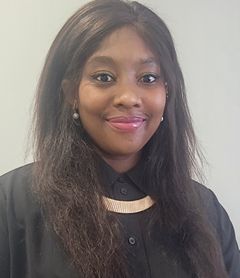
By Dr. Tumi Mahlangu, Dental Advisor
*DENIS [An AfroCentric Group Company]
When most people think about a visit to the dentist, it’s usually in one of two situations either when something hurts or when they’re hoping to fix a smile. Whether it’s a chipped tooth or teeth whitening, dental care is often seen through a cosmetic or emergency lens. But what many don’t realise is that oral health plays a much bigger role in our overall well-being, and when it’s neglected, the consequences can go far beyond cavities and crooked teeth.
In South Africa, oral health is facing a growing crisis that many aren’t even aware of. A number of factors are contributing to this from poverty and unequal access to healthcare, to poor diets and a general lack of awareness about dental hygiene. Add to this the limitations of the current public healthcare system and you begin to understand why millions of South Africans are suffering in silence, often only seeking help when it’s already too late.
As part of National Oral Health Month, AfroCentric is highlighting a powerful solution to this issue: teledentistry. This innovation uses everyday technology, think smartphones, laptops, and the internet—to make dental care more accessible, especially for people in remote or underserved areas. By offering education and virtual consultations, teledentistry can help prevent oral health problems before they start and connect people with care they might not otherwise receive.
The need for this kind of intervention is clear. While public health services in South Africa cater to over three million people annually, they often focus on treating pain and infections rather than offering long-term solutions or preventive care. And although medical aid schemes spent nearly R10 billion on dental care in recent years, only 16% of the population can afford to access these private services.
What’s even more worrying is the state of children’s dental health. Half of all South African children suffer from untreated tooth decay, with rates reaching up to 84% in some provinces. And it doesn’t stop there! More than a quarter of people over the age of five have cavities, while many adults face severe gum disease or complete tooth loss. Oral cancer and birth defects like cleft lip and palate also remain serious concerns.
But oral health isn’t just about the mouth. There’s a direct link between dental issues and other medical conditions. Gum disease, for example, can worsen diabetes, contribute to heart disease, and increase the risk of complications during pregnancy. People living with HIV/AIDS often show early signs of illness through oral infections. Even lifestyle choices like smoking and drinking, common across many age groups, are known causes of oral cancers and facial injuries.
The reality is that the current public system is stretched thin. While dental clinics are meant to offer basic services like check-ups, cleanings, and health promotion, in practice, most focus on treating urgent problems. This leaves little time or resources for prevention or education, two of the most important tools in fighting oral disease.
That’s where teledentistry comes in. By using technology, dental professionals can provide advice, check-ups, and follow-up care without needing patients to travel long distances. Simple things like video calls, text message reminders, and digital education materials can make a huge difference in how people care for their teeth. It’s not just about seeing a dentist; it’s about learning how to prevent issues in the first place.
This approach is already being used in some parts of the country, especially through mobile dental units and school-based health programs. With the right support, these efforts can be scaled up to reach more communities. Training healthcare workers in how to use teledentistry tools is a key step, as is ensuring that the necessary infrastructure like internet access and data privacy protections is in place.
Of course, there are challenges. Setting up the technology requires funding. There are legal and ethical issues to consider, especially when it comes to patient data. And some areas may not yet have reliable internet connectivity. But despite these obstacles, teledentistry offers a low-cost and practical way to start making oral healthcare more accessible.
Even at its most basic level, teledentistry can be a game-changer. Sending out video instructions for brushing techniques, sharing educational content via WhatsApp or social media, or using interactive apps in schools can all help build better oral health habits, especially among children. And over time, these small steps could prevent a lifetime of dental problems.
At the heart of it, teledentistry is about breaking down barriers, making sure that no matter where someone lives, they can access the knowledge and support they need to keep their mouth healthy. It’s an investment in health equity and a move toward a future where dentistry is seen not just as a luxury or emergency service, but as a vital part of staying well.